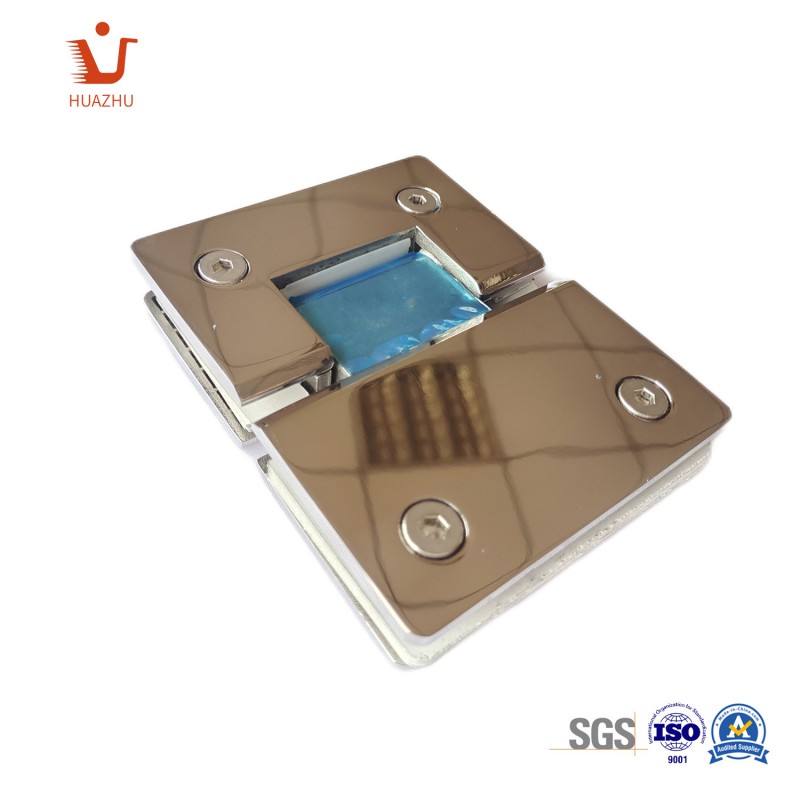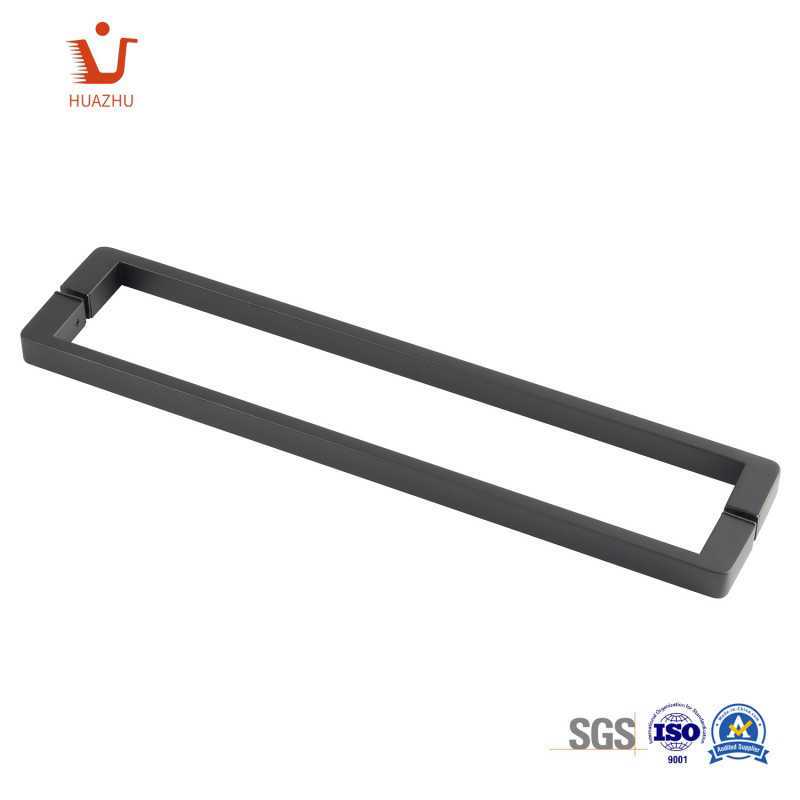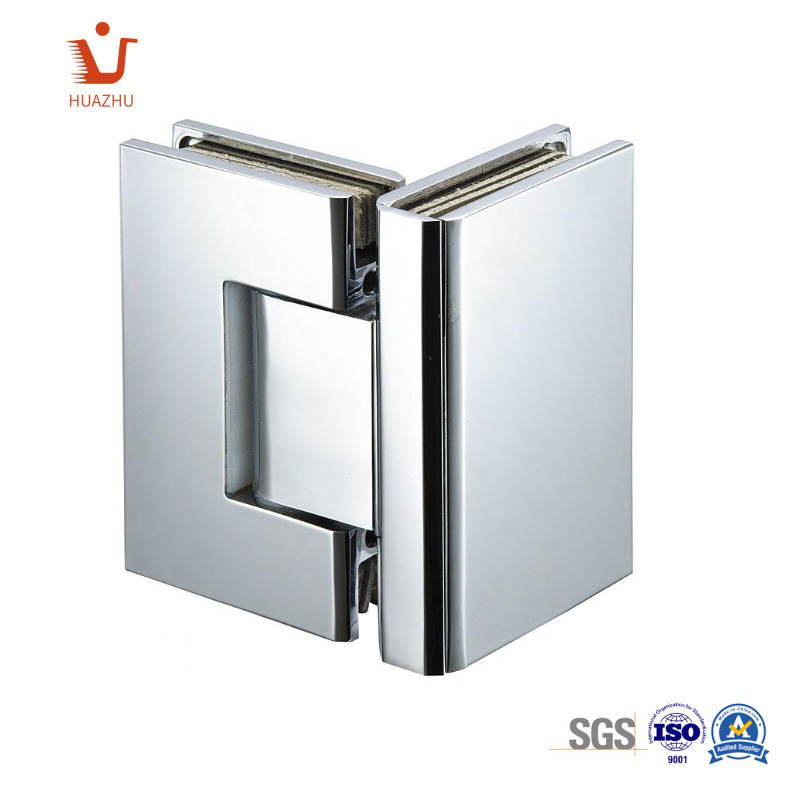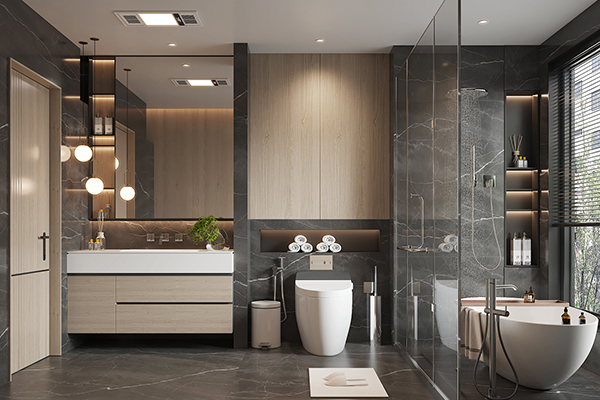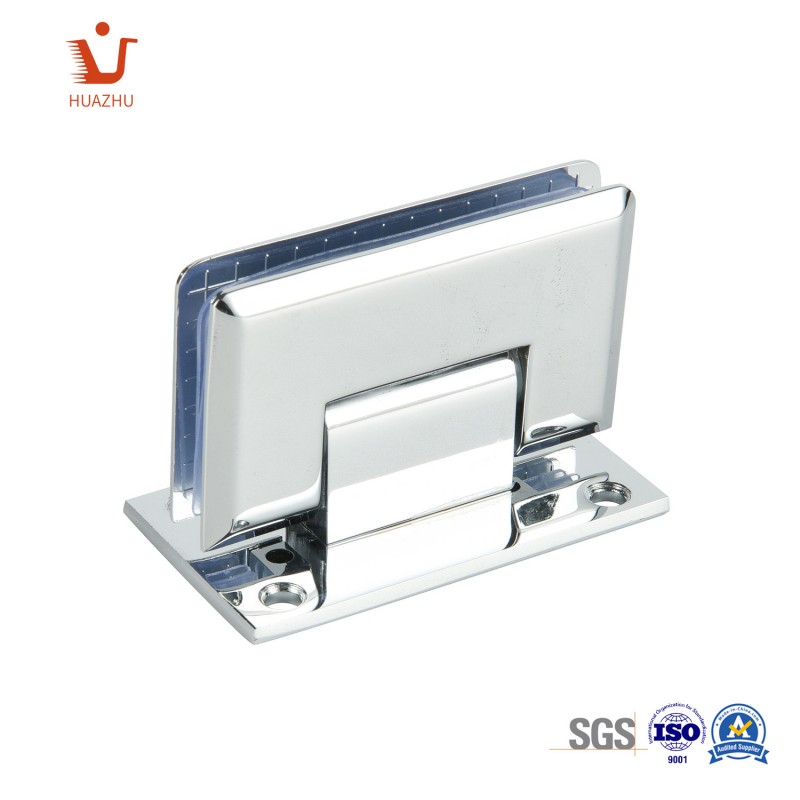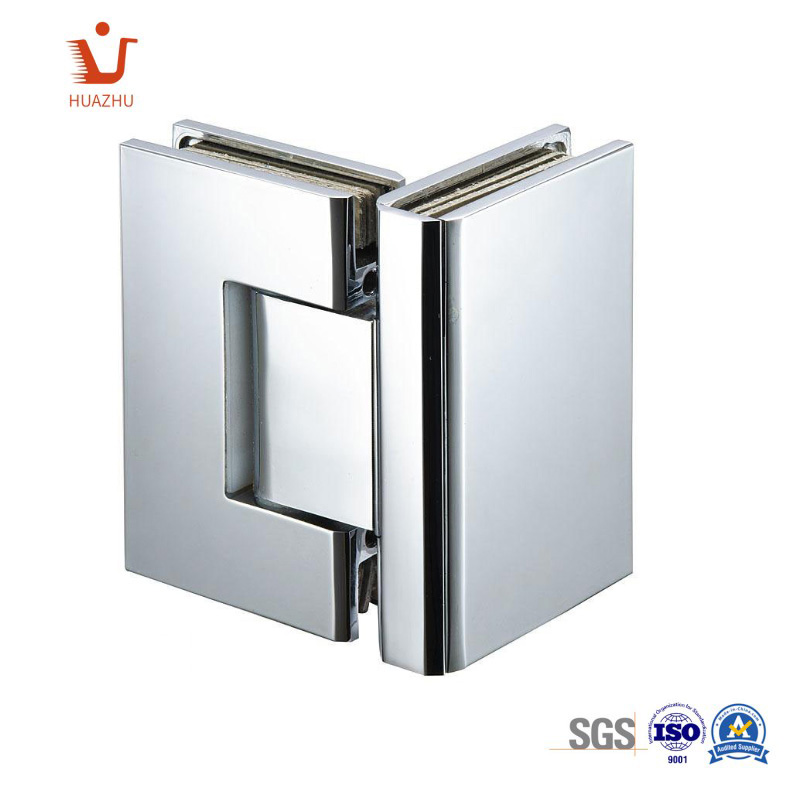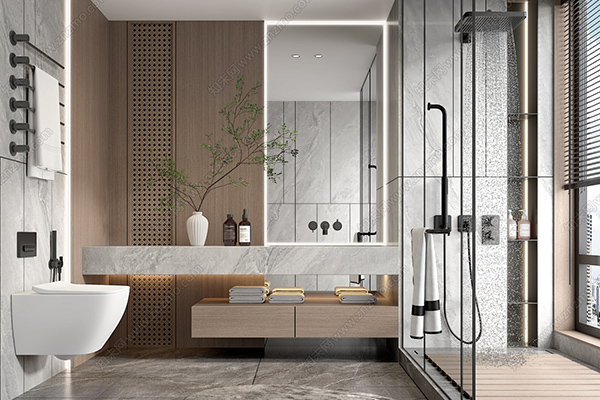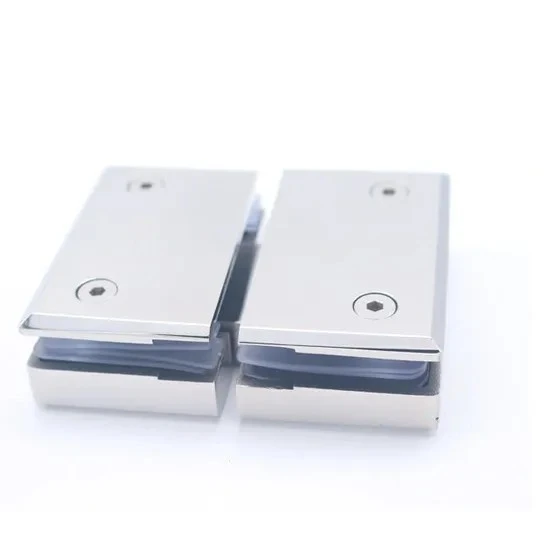
Shower hinges may seem like minor components in a bathroom, but their importance cannot be underestimated. From ensuring smooth door operation to maintaining water tightness and contributing to overall bathroom aesthetics, choosing the right shower hinge can dramatically enhance your shower experience. This article explores the different types, materials, installation considerations, maintenance tips, and common problems associated with shower hinges.
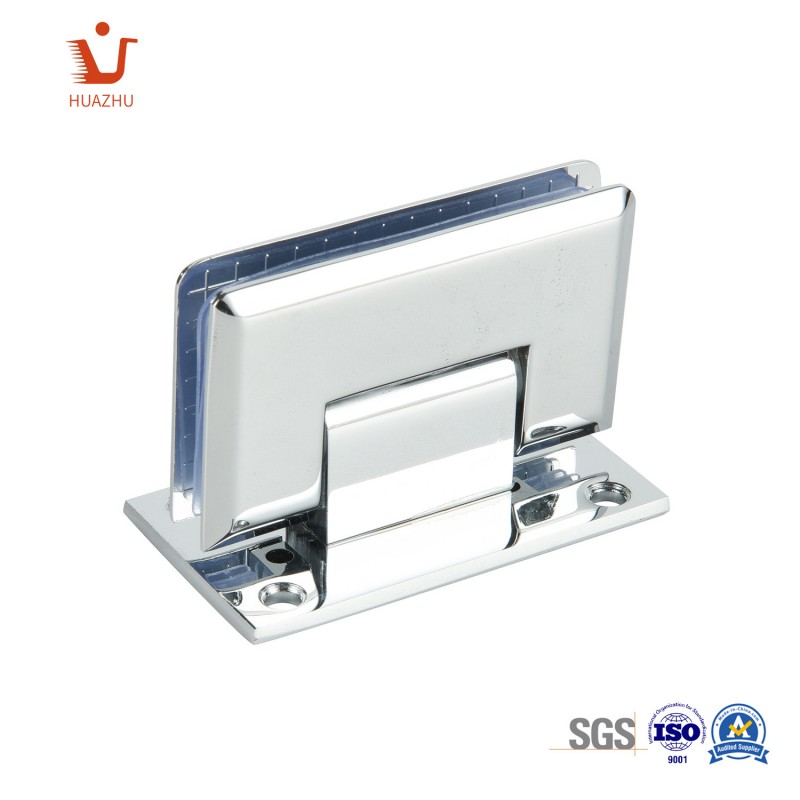
When designing or renovating a bathroom, attention often focuses on tiles, fixtures, or showerheads, while the humble shower hinge is overlooked. Yet, a quality shower hinge ensures smooth door operation, prevents water leakage, and adds a sleek, polished look to your bathroom. This article will help homeowners, interior designers, and contractors understand the full scope of shower hinges and make informed decisions.
Shower hinges come in several types, each suited for specific door styles and bathroom layouts:
Choosing the right type depends on the door weight, material, and desired aesthetics.
Material selection is crucial for durability and appearance. Common materials include:
| Material | Pros | Cons | Best Use |
|---|---|---|---|
| Stainless Steel | Corrosion-resistant, strong, sleek | Higher cost | High-humidity bathrooms, frameless doors |
| Brass | Durable, resistant to rust, classic look | Requires maintenance to retain shine | Traditional or luxury bathrooms |
| Aluminum | Lightweight, budget-friendly | Less durable over time | Standard shower doors |
| Zinc Alloy | Cost-effective, easy to manufacture | Can corrode in humid environments | Economical options |
Installing a shower hinge requires precision to ensure door alignment and proper function. Here’s a step-by-step overview:
Proper installation prevents water leakage, prolongs hinge life, and ensures safety.
Regular maintenance keeps your shower hinges functional and visually appealing. Key tips include:
With proper care, high-quality hinges can last 10–15 years or more.
Even premium shower hinges may encounter problems. Here are typical issues and how to address them:
| Issue | Cause | Solution |
|---|---|---|
| Door sagging | Loose screws or heavy door | Tighten screws, install additional support hinges |
| Rust spots | Low-quality material or poor ventilation | Clean and polish, consider stainless steel replacement |
| Stiff movement | Lack of lubrication | Apply silicone lubricant to pivot points |
| Water leakage | Misalignment or worn seals | Adjust hinge placement, replace seals |
Q1: Can I install a shower hinge myself?
A1: Yes, with careful measurement, proper tools, and attention to manufacturer instructions, DIY installation is possible. However, for heavy glass doors, professional installation is recommended.
Q2: How do I prevent my shower hinge from rusting?
A2: Choose stainless steel or brass hinges, maintain cleanliness, and avoid abrasive cleaners. Regular lubrication also helps.
Q3: Can I use the same hinge for both frameless and framed doors?
A3: Not always. Frameless doors often require specialized pivot or glass-to-glass hinges, while framed doors can accommodate simpler wall-mounted hinges.
Q4: How long do quality shower hinges last?
A4: With proper installation and maintenance, premium hinges can last 10–15 years or more.
Shower hinges are small but crucial components that influence both functionality and aesthetics in modern bathrooms. Understanding the types, materials, installation methods, and maintenance requirements helps you choose the best solution for your home. Whether it’s preventing water leakage, ensuring smooth operation, or enhancing bathroom style, investing in the right shower hinge makes a noticeable difference.
For premium-quality shower hinges and professional support, trust Ningbo Huazhu Precision Machinery Co.,LTD.. Contact us today to explore our full range of solutions and elevate your bathroom experience.