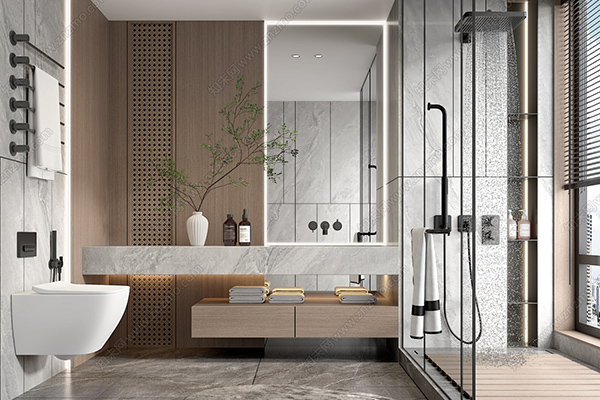
Glass door fittings are the foundation of every safe, durable, and visually appealing glass door system. Whether used in commercial buildings, offices, hotels, shopping malls, hospitals, or residential properties, the quality of glass door fittings directly affects functionality, security, user experience, and long-term maintenance costs.
This comprehensive guide explores different types of glass door fittings, their applications, material options, installation considerations, maintenance practices, and purchasing recommendations. It also helps architects, contractors, distributors, and property owners understand how to select fittings that deliver both aesthetic value and reliable performance.
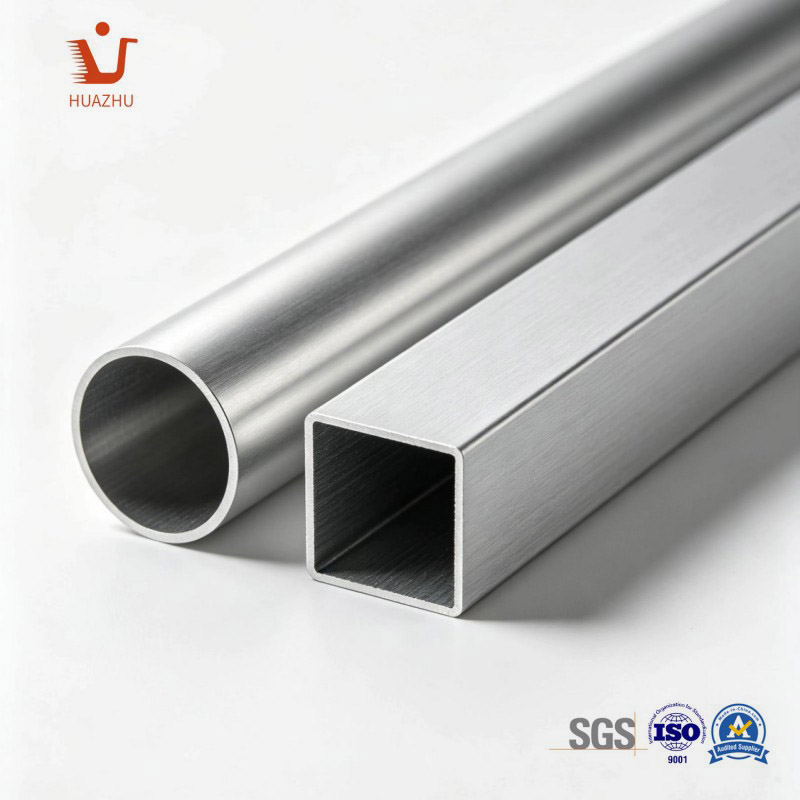
Glass door fittings refer to the specialized hardware components designed to support, secure, operate, and enhance glass door systems. These fittings ensure smooth movement, structural stability, safety compliance, and aesthetic integration within architectural environments.
Unlike traditional wooden or metal doors, glass doors require dedicated hardware engineered to work with tempered glass, laminated glass, or frameless glass structures. Because glass cannot be drilled or modified easily after manufacturing, precise fitting selection becomes crucial during the design phase.
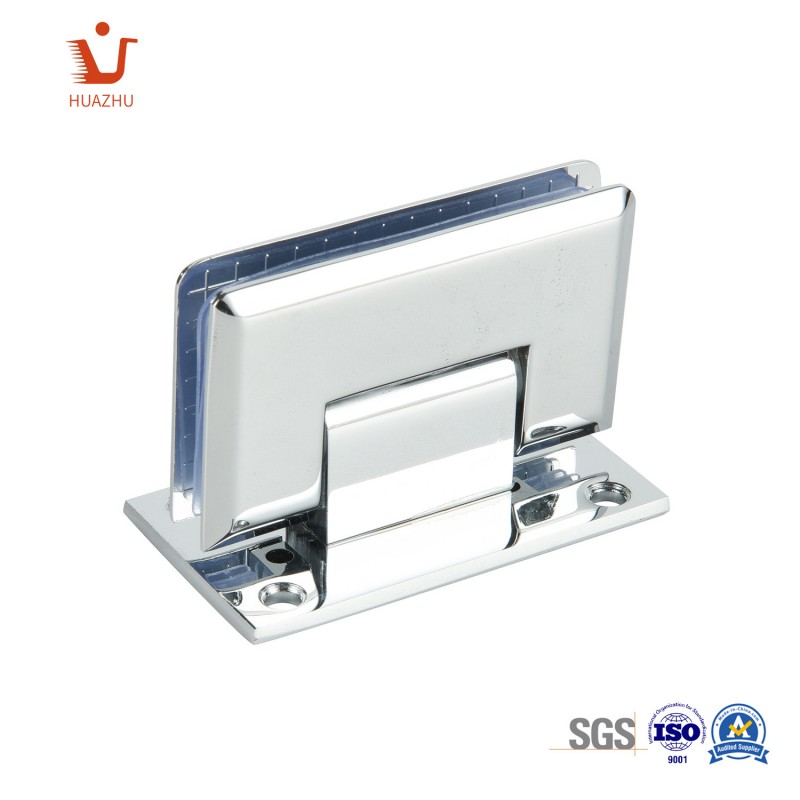
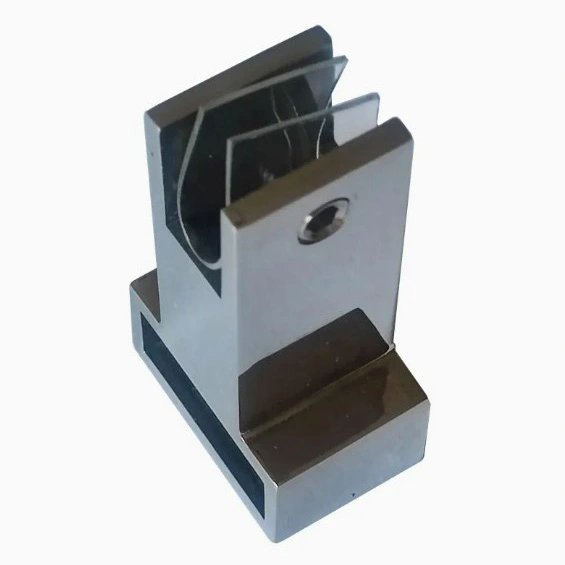
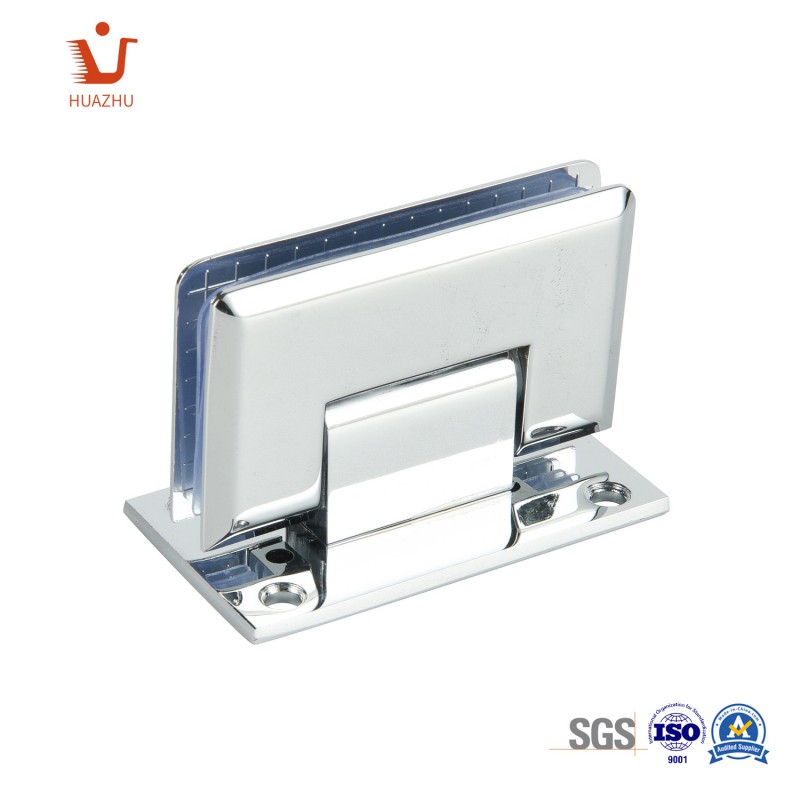
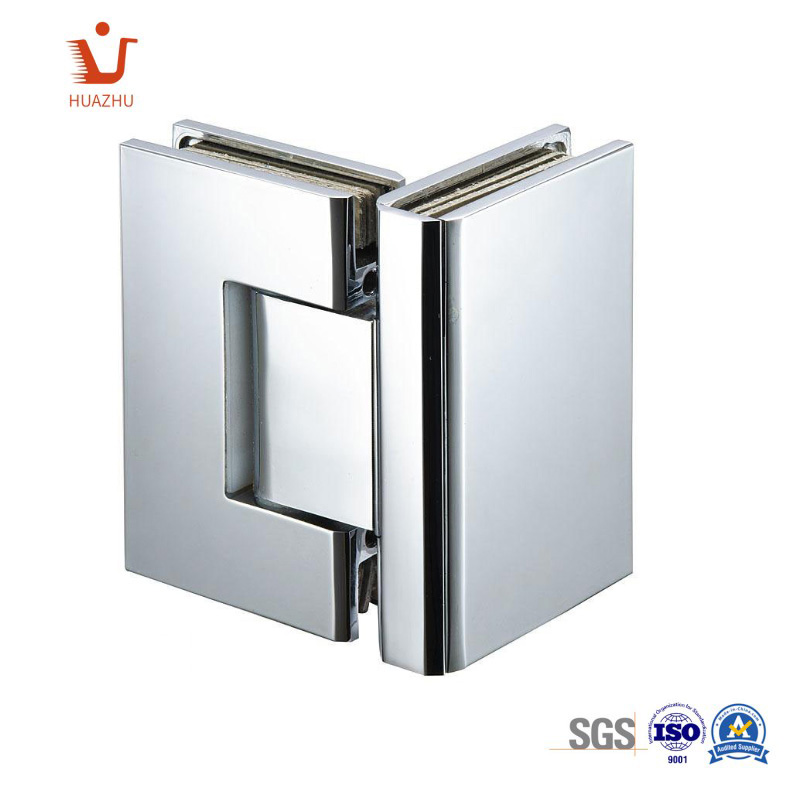
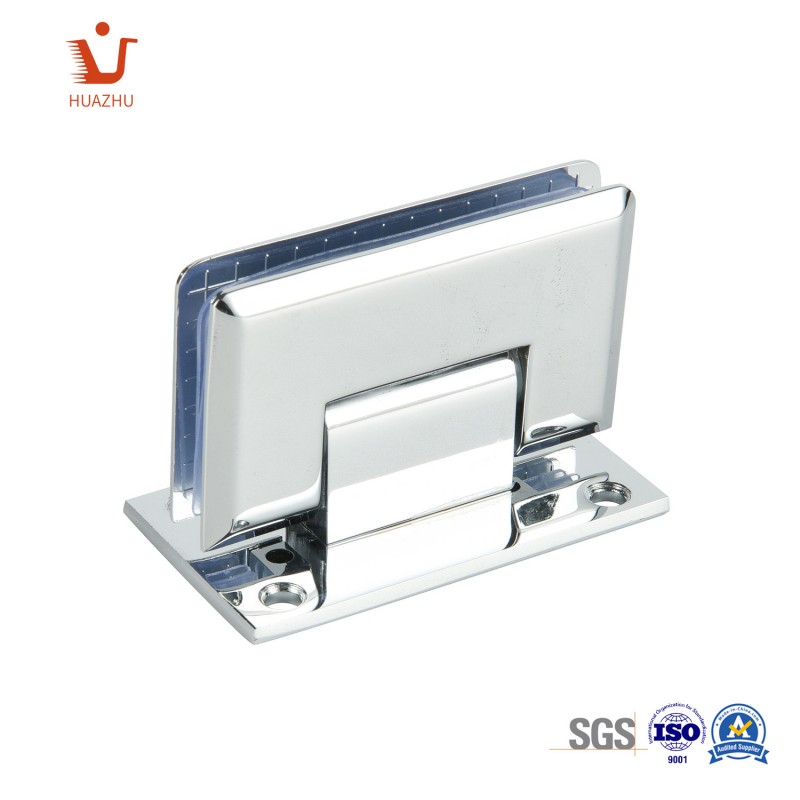
Glass door fittings include hinges, patch fittings, floor springs, handles, locks, sliding systems, door closers, connectors, and mounting accessories. Together, these components create a complete door solution capable of supporting daily operation while maintaining a clean and modern appearance.
Many project owners focus primarily on glass quality while overlooking the hardware system. In reality, the fittings often determine how effectively the entire door performs over time.
| Factor | Impact of Quality Fittings |
|---|---|
| Safety | Prevents glass stress and accidental failure |
| Durability | Reduces wear and extends service life |
| Appearance | Creates a premium architectural look |
| Security | Improves access control and protection |
| User Experience | Provides smooth opening and closing |
Poor-quality hardware can lead to alignment problems, noise, corrosion, difficult operation, and expensive repairs. Investing in premium fittings significantly lowers lifecycle costs.
Modern architectural projects utilize various hardware solutions depending on design requirements.
Hinges support the door panel and allow rotational movement. Available options include:
Patch fittings are widely used in frameless glass systems. They distribute loads evenly while maintaining a sleek appearance.
Floor springs provide controlled door movement and automatic closing functionality. They are particularly common in commercial entrances.
Benefits include:
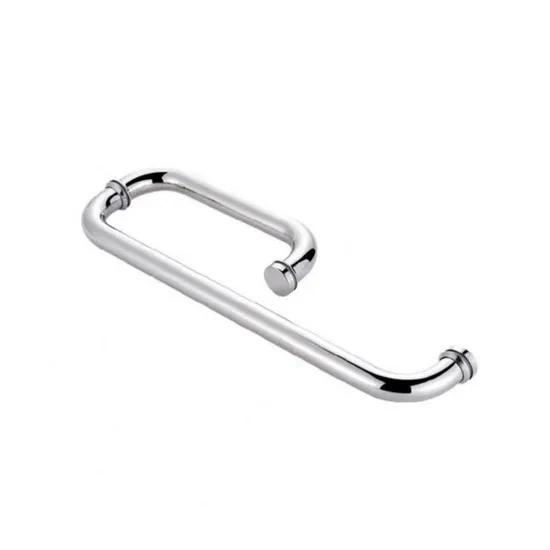
Handles contribute significantly to aesthetics and user interaction.
Common styles include:
Security solutions range from simple mechanical locks to advanced electronic access systems.
Available options:
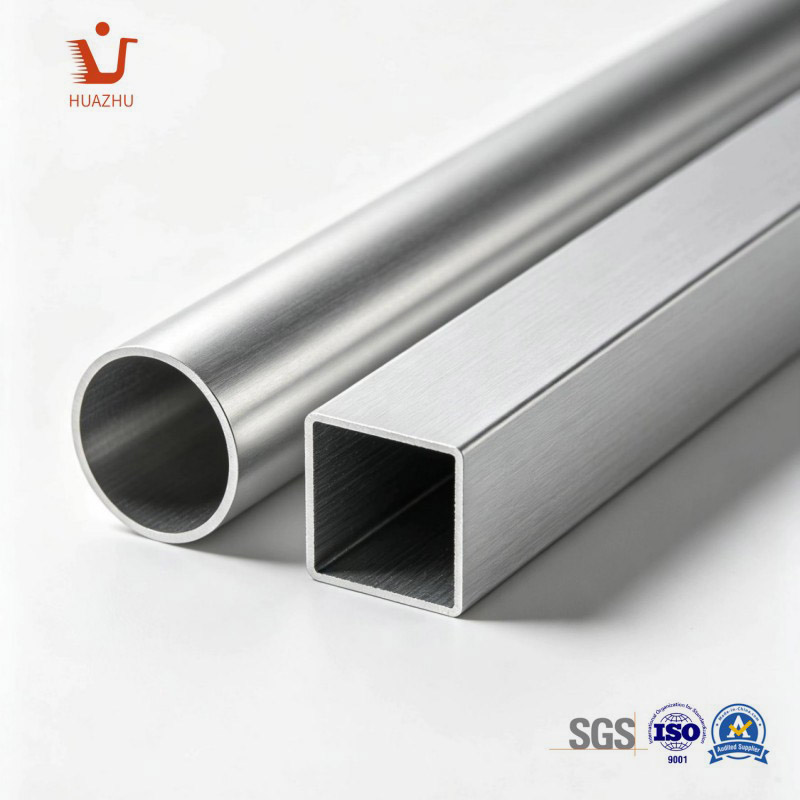
Material selection directly affects durability, corrosion resistance, and visual appeal.
| Material | Advantages | Applications |
|---|---|---|
| 304 Stainless Steel | Durable and affordable | Indoor projects |
| 316 Stainless Steel | Superior corrosion resistance | Coastal and outdoor areas |
| Brass | Elegant appearance | Luxury buildings |
| Aluminum Alloy | Lightweight | Interior systems |
| Zinc Alloy | Cost-effective | Budget projects |
For premium projects, stainless steel remains the preferred choice because of its excellent balance of strength, longevity, and aesthetics.
Selecting the correct fittings involves evaluating multiple technical factors.
Different fittings are designed for specific glass thickness ranges. Using incompatible hardware may compromise safety and performance.
Heavy glass panels require reinforced hinges, patch fittings, and floor springs capable of supporting greater loads.
Outdoor installations face challenges such as:
In such environments, 316 stainless steel hardware is often recommended.
Hardware finishes should complement the overall design theme.
Popular finishes include:
Commercial environments require high-performance fittings capable of withstanding intensive daily usage.
Common applications include:
These facilities prioritize durability, safety compliance, accessibility, and visual appeal.
Homeowners increasingly prefer glass doors for their ability to maximize natural light and create spacious interiors.
Typical residential uses include:
Residential hardware often emphasizes elegance, quiet operation, and ease of maintenance.
Even premium hardware cannot perform effectively if installed incorrectly.
Important installation recommendations:
Professional installation minimizes future maintenance issues and maximizes product lifespan.
Regular maintenance significantly extends hardware service life.
Recommended practices include:
Routine maintenance can prevent unexpected failures and reduce repair expenses.
Buyers frequently encounter avoidable challenges during procurement.
| Mistake | Potential Consequence |
|---|---|
| Selecting based only on price | Frequent replacements |
| Ignoring load capacity | Premature failure |
| Using indoor hardware outdoors | Corrosion damage |
| Poor installation practices | Operational problems |
| Ignoring maintenance requirements | Reduced lifespan |
The glass door hardware industry continues to evolve alongside modern architectural demands.
Emerging trends include:As buildings become more intelligent and design-focused, glass door fittings will continue to play a critical role in balancing functionality with aesthetics.
Q1: What is the most durable material for glass door fittings?
316 stainless steel is generally considered the most durable option due to its superior corrosion resistance and long-term performance.
Q2: How often should glass door fittings be maintained?
Routine inspections every 3 to 6 months are recommended for most installations, while high-traffic commercial environments may require more frequent checks.
Q3: Can glass door fittings be customized?
Yes. Manufacturers often provide customized dimensions, finishes, branding, and engineering solutions to meet project-specific requirements.
Q4: Are frameless glass door systems safe?
When paired with high-quality fittings and properly installed tempered glass, frameless systems provide excellent safety and reliability.
Q5: How long do premium glass door fittings typically last?
With proper maintenance, premium stainless steel hardware can remain functional for more than 10 to 20 years.
Q6: What finish is most popular today?
Brushed stainless steel and matte black finishes remain among the most requested options in contemporary architecture.
Glass door fittings are far more than simple accessories. They are essential engineering components that determine the safety, durability, functionality, and visual appeal of modern glass door systems. From hinges and patch fittings to floor springs and smart locking mechanisms, every component contributes to the overall performance of a building's entrance and interior spaces.
Careful material selection, professional installation, and regular maintenance ensure long-term value while minimizing operational disruptions. Whether for commercial projects or residential applications, investing in high-quality hardware delivers significant benefits throughout the entire lifecycle of a glass door system.
As a professional manufacturer and supplier, Ningbo Huazhu Precision Machinery Co.,LTD. is committed to delivering precision-engineered glass door fittings that meet demanding architectural and industrial standards. Our products are designed to combine durability, aesthetics, and reliable performance for projects worldwide.
Looking for premium-quality Glass Door Fittings for your next project?
Whether you are a distributor, contractor, architect, wholesaler, or project developer, Ningbo Huazhu Precision Machinery Co.,LTD. can provide customized solutions, competitive pricing, and dependable manufacturing support.
Contact us today to discuss your requirements and discover how our glass door hardware solutions can add value to your business.